
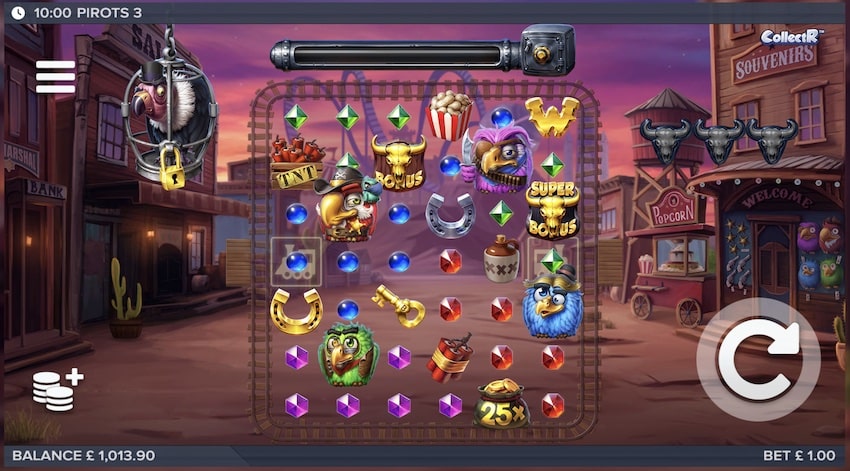
Couples in the UK often look for fresh ways to improve their bond when things get tough. One concept that’s attracted notice is the structured application of organized pauses. Interestingly, this idea overlaps with a popular online slot game. At Pirots 5 Casino, the Best Pirots 5 Slot, with its five-reel structure and concentration on controlled, calculated gaming, supplies a useful metaphor for handling a union. This article examines how taking calculated pauses, managing emotional risks, and discovering mutual enjoyment—similar to playing a expertly designed game—can support a partnership’s rhythm. We’ll consider how digital leisure, like a slot game, might function as one part of a wider strategy for communication and support, presenting a modern take on maintaining a bond in the UK.
The importance of shared leisure activities in connecting
Doing fun things together is a cornerstone of a strong relationship. It rebuilds connection, makes good shared memories, and promotes teamwork without pressure. A joint activity can fight the tendency to focus only on the negative, which often happens when a marriage is under strain. Today, this includes online entertainment. Couples can choose activities that are engaging but not too serious. Sites like Pirots 5 Casino provide accessible options, such as the Pirots 5 Slot game, which partners can play side-by-side. What matters is the shared experience—discussing tactics, enjoying small wins, or just sharing a distraction. Working as a pair on a neutral, entertaining task can soften tension. It reminds partners they can still have positive interactions, offering a straightforward tool to bring back camaraderie and laughter away from heavy relationship talks.
Picking Low-Stakes, Engaging Distractions
Picking the proper leisure activity is essential. It needs to be low-pressure, genuinely fun, and unconnected to old arguments or stresses. The top distraction lures you in without requiring a big emotional or mental commitment. Online games that are easy to grasp, visually interesting, and enjoyed in short bursts work well here. They create a self-contained world of entertainment a couple can enter and leave easily. The pace of these games, with clear rules and small, instant rewards, can have a calming effect. They create a sense of shared anticipation. The therapeutic value is in playing together, not in winning. That’s why a casual, non-competitive activity like a slot game can be a good pick for relaxed couple time.
Establishing Boundaries for Digital Leisure
For any shared online activity to help a relationship, you need clear boundaries. Both partners ought to agree on boundaries for time, money, and emotional involvement. Determine beforehand how long a session will last or how much you’re willing to spend. This maintains the leisure constructive and controlled, so it doesn’t start new fights. Treat the activity as a tool for connection and downtime, not as an avoidance hatch or a replacement for talking. Setting these rules leaves you in charge and responsible. It ensures your shared fun strengthens your bond without adding unnecessary stress. This careful approach aligns with the responsible gaming policies you’ll find on reputable UK platforms, where the emphasis is on enjoyment within sensible limits.
Incorporating External Support and Resources
Private strategies and mutual fun can provide relief, but many couples find they need outside help. The UK has many resources, from professional marriage counsellors to workshops led by charities like Relate. These services provide a protected, structured space led by a neutral facilitator. They can guide conversations, impart skills for resolving conflict, and help address deeper problems. Getting this support shows strength and dedication. It can be especially useful after a relationship break. A therapist can help a couple process their individual reflections and weave them into a joint plan for change. Matching professional guidance with positive activities creates a full support system. It handles both the big underlying issues and the day-to-day rhythm of the relationship.
Understanding the Notion of a Relationship Pause
People often misinterpret a relationship break for the first step toward a permanent split. In reality, it’s a time of agreed separation. The objective is to provide space for personal reflection, reduce the intensity of constant arguments, and find clarity about personal requirements and the partnership’s future. It is not a breakup. A break is a organized pause with clear guidelines and objectives. For UK couples coping with job stress, family demands, and daily routines, this pause can break bad communication habits. It lets each person to step away from their immediate reactions and look at the relationship more objectively. Done right, with both people in agreement, time apart can be a beneficial move toward repair. It’s not a indication of defeat. Instead, it prepares the ground for more useful talks when you return together.
Building a Sustainable Relationship Following a Separation
Restoring a relationship following a successful break or therapy focuses on sustaining changes. This means turning insights and good intentions into concrete, enduring habits. Couples ought to work together to establish new routines that put connection first, like consistent catch-ups or arranged date nights, while also respecting individual space. Adding in positive shared activities, such as an periodic gaming session on a platform like Pirots 5 Casino, can be integrated into this new normal. It functions as a recollection of the playful bond they’re looking after. The focus shifts from putting out fires to regular upkeep. You construct a relationship culture robust enough to handle future stress. This demands unrelenting effort, versatility, and a pledge to utilize the communication tools you have acquired. The goal is to weave the progress from the break into the daily fabric of your life together in the UK.
FAQs: Frequent Queries on Breaks and Couple Support
What duration should a relationship break typically last?
No one timeframe fits all situations. A break ought to be long enough to get clarity and calm feelings, but not too long it creates permanent distance. For many couples, this means weeks to months. What is essential is that both partners settle on the timeframe upfront, and they stay open to changing it through peaceful conversation if needed. Establishing a concrete date to meet and talk about the relationship is frequently beneficial. It provides organization and prevents the break from developing into an open-ended separation, which can increase worry and doubt for all parties.
Can joint activities like online gaming really aid a relationship?
Yes, they can. When used deliberately and with clear limits, joint recreation like online gaming can enhance a relationship’s climate. It functions as a type of “constructive engagement,” something relationship researcher John Gottman highlights as key for a strong emotional connection. Sharing a fun, low-pressure activity restores camaraderie, creates common joy, and provides a respite from serious relationship work. The caveat is that both individuals need to appreciate the activity. It must not cause addiction, money problems, or serve as a means of sidestepping concerns. As an element of a broader strategy that includes honest dialogue and further help, these mutual activities can reinforce the fun, bonded aspect of a partnership.
At what point should partners consider professional therapy in place of a self-managed break?
Think about professional therapy when communication has collapsed so entirely that you are unable to have a protected, fruitful talk about taking a break. It’s also a good idea when conflict patterns are strongly ingrained and harmful. If problems involve damaged trust, major psychological problems, or any kind of abuse, professional help is essential. Therapy creates a protected setting for tough discussions and provides tools that couples could not uncover on their own. A self-directed pause fits couples who usually have good communication but feel overwhelmed or stalled. They may simply need alone time to reflect before continuing their joint work on the relationship.
Setting Realistic Hopes for Reunion

Managing expectations is a key part of any relationship break. The belief that time apart will magically fix deep problems usually results in letdown. A realistic outlook sees the break as one step in a longer path. It might bring clarity, but that clarity could show basic incompatibilities just as quickly as it reignites commitment. Couples should aim for better self-awareness and a calmer mood, not a guaranteed romantic reconnection. The goal is to create the right circumstances for an honest appraisal of whether the relationship can work. Starting the process with this balanced outlook takes pressure off both partners and the partnership overall. It permits outcomes that are truly positive, whether that means rebuilding the relationship with new abilities or parting ways with more mutual respect.
Conversation Methods During and After a Break
A relationship break only works if the conversation around it is strong. Before beginning a time-out, have an honest discussion to define the boundaries: its duration, what contact is permitted, and what each person hopes to figure out. This opening conversation is a moment to engage in collaborative, calm conversation. During the pause, sticking to the set terms is essential for building trust. When you reunite, the attention should be on sharing what you realized while separated. Use “I feel” expressions to express your own insights without pointing fingers. This reunion talk isn’t about rehashing past fights. It’s about exchanging new viewpoints and working together to chart a path ahead. Good communication transforms a simple time-out into a deliberate fresh start, providing you with a cleaner slate for the relationship’s future stages.